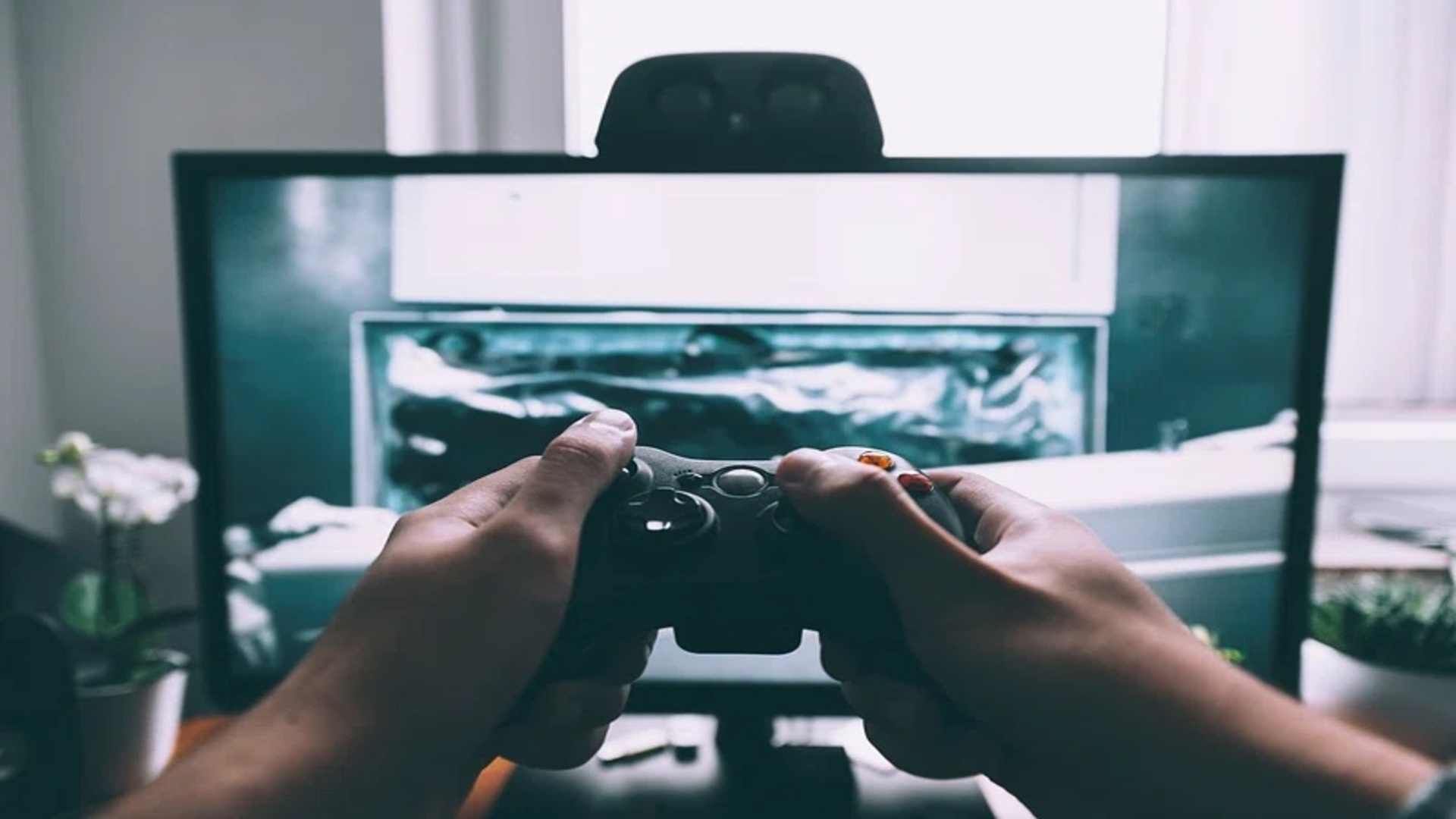
In a fast-paced world dominated by passive digital entertainment, finding active ways to keep our minds sharp is more important than ever. Tabletop gaming offers a dynamic and highly engaging workout for the human brain by challenging various cognitive pathways simultaneously. Whether you are playing classic board games or modern strategy cards, these tactile activities serve as an excellent gym for enhancing your mental flexibility.
The Science of Tabletop Cognitive Training
Engaging regularly with complex table systems forces the brain to adapt to shifting scenarios and unpredictable opponent behaviors. This constant negotiation of rules and variables actively stimulates the prefrontal cortex, which is responsible for executive functions. Over time, players who commit to strategic tabletop play tend to experience noticeable improvements in their daily problem-solving speed.
Furthermore, these offline challenges require deep focus and sustained attention spans that digital notifications often disrupt. By sitting down with physical components, you train your mind to filter out external noise and concentrate on immediate tactical goals. This level of disciplined mental immersion is key to building a robust memory and keeping cognitive decline at bay.
Card Games and Rapid Decision Making
Card-based table games are particularly effective at sharpening your working memory and deductive reasoning skills. Players must constantly calculate mathematical probabilities while reading subtle psychological cues from others around the table. If you want to put your analytical skills to the test on a secure platform, you can check out M88 asia to find diverse, beginner-friendly options. Managing a hand of cards teaches your brain to quickly prioritize information and execute decisions under pressure.
These games also teach us how to manage risk and reward in real time, translating to better decision-making in everyday life. Since every move carries potential consequences, you naturally learn to weigh options more logically and avoid impulsive actions. This structured approach to evaluating challenges helps build a highly disciplined and analytical mindset.
Spatial Reasoning and Abstract Strategy
Spatial Reasoning and Abstract Strategy
Games that involve tile placement, grid movement, or resource management require players to visualize multiple turns ahead. This visual planning strengthens your spatial reasoning, allowing you to manipulate complex mental shapes and paths easily. By forecasting your opponents' moves, you develop a highly flexible cognitive style that is quick to adapt to unexpected obstacles.
As you encounter different board layouts and shifting player strategies, your brain is forced to think outside its usual patterns. This creative problem-solving process fosters lateral thinking, which helps you see unique solutions where others might see dead ends. Regularly exercising this part of your intellect ensures that your analytical reflexes remain sharp and responsive.
Fostering Lifelong Mental Agility
The benefits of participating in tabletop challenges extend far beyond the immediate thrill of winning a match. Consistently testing your intellect against others builds a deep reserve of mental resilience and emotional control. Learning to accept losses gracefully and adjust your tactics for the next round is a vital exercise in psychological adaptability.
Ultimately, making these interactive activities a regular habit keeps your brain actively engaged in lifelong learning. Surrounding yourself with friends or family for a game night combines valuable social interaction with intensive cognitive training. This powerful combination of social bonding and mental stimulation is one of the most natural ways to maintain a youthful, agile mind.